Epithalon: A Research Peptide Overview for Labs
Epithalon (Epitalon) is a synthetic tetrapeptide (Ala-Glu-Asp-Gly) studied in telomerase and longevity research. A neutral, lab-use-only overview.
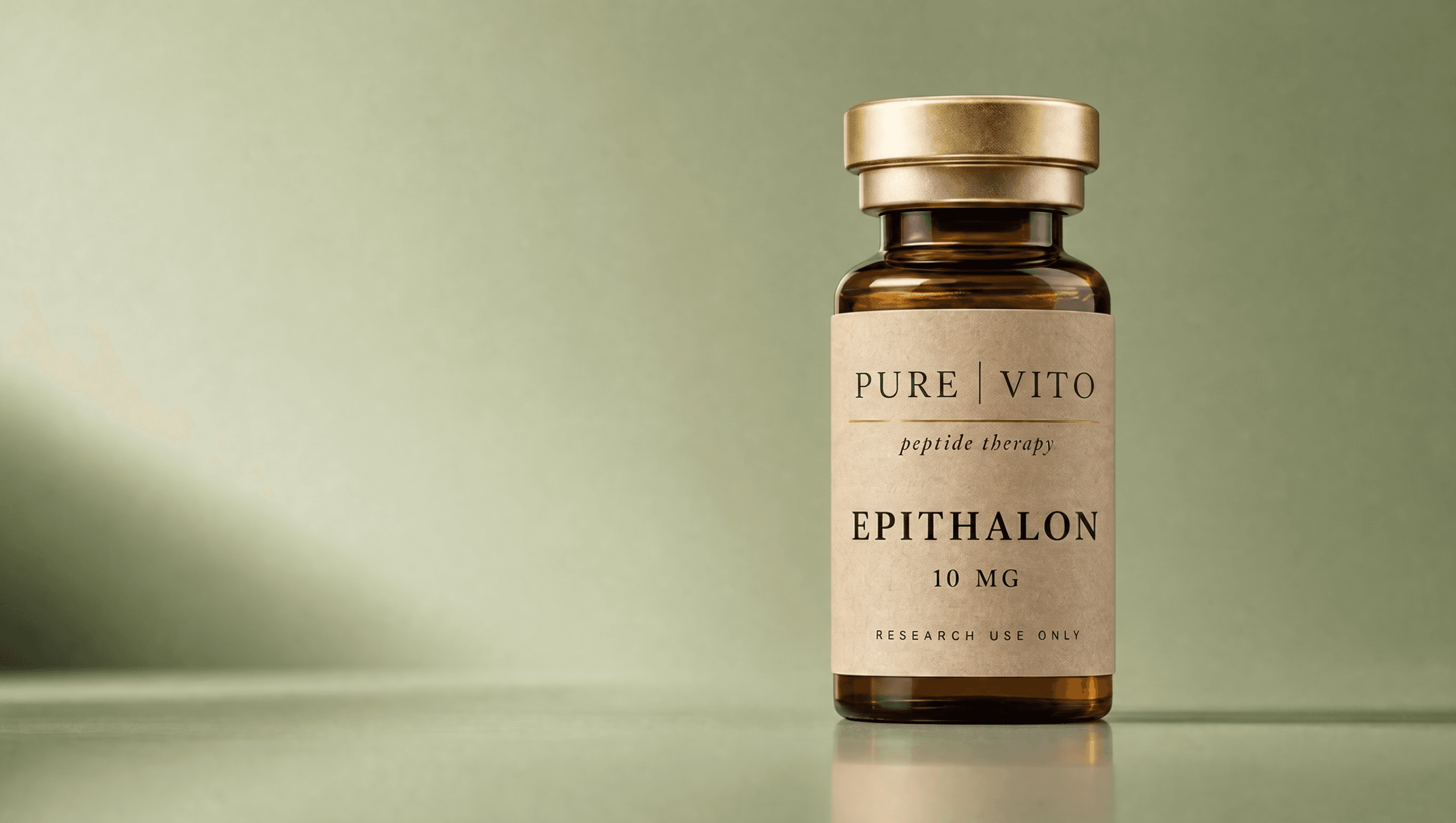
Epithalon (also written Epitalon or Epithalone) is a synthetic tetrapeptide frequently referenced in laboratory research on telomere biology and cellular ageing. This overview outlines what epithalon is, its reported mechanism, and how it is handled in the lab. All content is for laboratory research use only; not for human consumption.
Epithalon has the amino-acid sequence Ala-Glu-Asp-Gly (alanine–glutamate–aspartate–glycine) and is studied as a model peptide in longevity research.
What is epithalon?
Epithalon is a short synthetic peptide composed of four amino acids. It was originally derived from studies of a pineal-gland peptide preparation and later synthesized as a defined tetrapeptide. Because of its small, well-characterized sequence, epithalon is a convenient reference molecule for investigators studying peptide effects on cellular models.
Mechanism of action
In preclinical and in-vitro research, epithalon is most often discussed in relation to telomerase, the enzyme that maintains telomere length at chromosome ends. Published studies report that epithalon has been examined for its influence on telomerase activity and on gene-expression patterns in cultured cells. These findings are reported at the level of laboratory models and remain areas of active investigation.
Telomere biology context
Telomere shortening is a widely studied marker of cellular ageing. Researchers use defined peptides such as epithalon to probe pathways connected to telomere maintenance and cellular senescence in controlled experiments.
Research context
Epithalon appears in longevity and gerontology literature, largely based on animal models and cell culture. Reported observations are attributed to specific studies and should not be generalized beyond those settings. Nothing here constitutes medical or therapeutic guidance. For reproducible experiments, sourcing material with verified third-party lab results is important, since purity affects assay outcomes.
Handling and storage
Lyophilized epithalon is typically kept frozen and shielded from light and humidity. When preparing stock solutions, a peptide reconstitution calculator helps document target concentrations accurately. Recommended practice:
- Storage: keep the lyophilized powder frozen; refrigerate reconstituted solution short-term.
- Reconstitution: use sterile diluents and avoid repeated freeze–thaw cycles.
- Records: label aliquots and retain the certificate of analysis.
Key takeaways
- Epithalon is a synthetic tetrapeptide with the sequence Ala-Glu-Asp-Gly.
- It is studied in relation to telomerase and cellular-ageing pathways.
- Findings come from preclinical and in-vitro models and remain under investigation.
- Cold storage and documented reconstitution support reproducible results.
- It is a laboratory reference material, not a therapeutic product.
Research use disclaimer
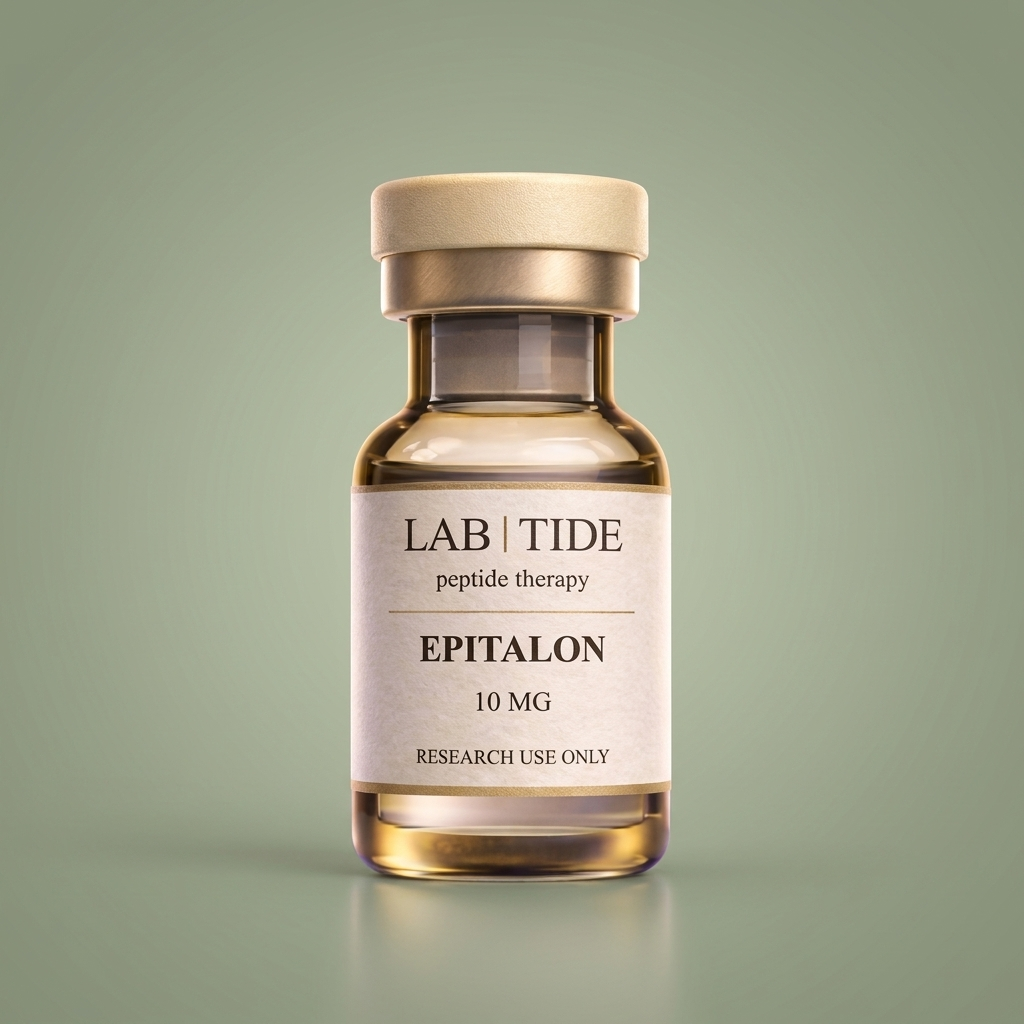
Epithalon supplied by Purevito is intended for in-vitro laboratory research only. It is not for human or veterinary use, is not a medicine, and must not be administered to humans or animals. It is not intended to diagnose, treat, cure, or prevent any condition. See our full range of research peptides for specifications.
About this topic
Compiled by
Scientific basis
Based on peer-reviewed scientific literature and research data.
Last reviewed
21 August 2026